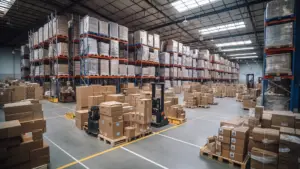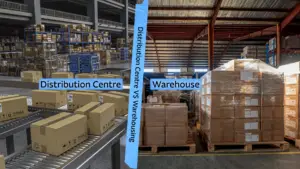

The world of fulfillment and eCommerce is constantly evolving, with new technologies and regulations always emerging. This article will explore some of the latest developments in this field and see how they may impact businesses and customers.
How AI, Smart Logistics, and Consumer Behavior Are Reshaping Online Business Operations
The e-commerce industry is evolving faster than ever before.
What worked for online businesses only two or three years ago is no longer enough to compete in today’s market. Customers now expect:
- faster delivery
- real-time order tracking
- smooth return management
- accurate inventory visibility
- affordable shipping rates
At the same time, businesses are facing:
- rising logistics costs
- global supply chain instability
- changing consumer spending behavior
- pressure to reduce operational overhead
This is why fulfillment and logistics are no longer “support services.”
They have become a strategic growth factor for every e-commerce business.
In the UAE especially, the market is rapidly moving toward:
- AI-powered fulfillment
- automation
- omnichannel logistics
- regionalized warehousing
- integrated technology ecosystems
According to multiple 2026 logistics and e-commerce reports, fulfillment operations are shifting from traditional storage models into technology-driven supply chain ecosystems powered by automation, predictive inventory management, and smart delivery optimization.
At GHS Logistics Fulfilment Centre, we closely monitor these developments to help businesses scale faster, reduce costs, and improve customer experience across the UAE and GCC markets.
Trends and Regulations
1. Automation
The increased use of automation and robotics in fulfillment centers has been one of the most notable developments in the industry over the past several years. Businesses use robots for various tasks, including order fulfillment, product sorting and transportation, and package and shipment. This may assist in enhancing efficiency and lower labor costs, but it also raises worries about job displacement as a potential outcome. We may observe an increase in the number of robots being utilized in fulfillment centers as technological advancements in automation progress. Nevertheless, businesses need to ensure that they are deploying these technologies in a manner that is just and responsible and considers the effect it will have on human workers.
AI and Automation Are Becoming Standard in Fulfillment Operations
The biggest transformation happening in fulfillment today is the adoption of:
- Artificial Intelligence (AI)
- warehouse automation
- predictive analytics
Modern fulfillment centers are no longer operating with traditional manual systems.
Instead, advanced operations now rely on:
- AI-driven inventory forecasting
- automated order routing
- smart warehouse management systems (WMS)
- barcode and scanning automation
- intelligent shipping carrier selection
Industry reports show that AI is helping fulfillment providers improve:
- order accuracy
- shipping speed
- labor efficiency
- inventory balancing
- cost optimization
Why This Matters for E-Commerce Businesses
For online sellers, this means:
- fewer shipping mistakes
- reduced stock shortages
- better inventory control
- faster order preparation
At GHS Logistics Fulfilment Centre, fulfillment technology is becoming a key part of helping businesses maintain efficiency while reducing unnecessary operational pressure.
2. Personalization

Another development in online commerce is the growing significance of providing customers individualized service and shopping experiences. Customers have come to expect a high level of individualized service and assistance, given the vast number of options that are available online. Data analytics and machine learning are being utilized by businesses to enhance the user experience on their websites and mobile applications, as well as to tailor their marketing and recommendation algorithms. This can include targeted advertising, tailored product recommendations, and personalized email promotions and sales. However, businesses need to strike a balance between collecting and using personal data and concerns over data privacy and protection.
Quick Commerce and Faster Delivery Expectations Are Reshaping Customer Behavior
Modern consumers no longer compare your business only with competitors.
They compare your service with:
- same-day delivery platforms
- major marketplaces
- quick commerce applications
Recent UAE market reports show that quick commerce (Q-commerce) continues growing due to:
- high smartphone penetration
- urban population density
- digital consumer behavior
- convenience-focused purchasing habits
Customers increasingly expect:
- same-day delivery
- next-day delivery
- live order tracking
- instant updates
The Challenge for Businesses
Fast delivery is expensive when managed internally.
Businesses trying to fulfill orders themselves often face:
- operational overload
- staffing issues
- delayed shipping
- packing inefficiencies
- courier coordination problems
As sales grow, internal fulfillment becomes harder to scale efficiently.
Fulfillment Centers Solve the Scalability Problem
Modern fulfillment centers are designed specifically for:
- speed
- scalability
- operational efficiency
This allows e-commerce businesses to:
- focus on sales and marketing
- reduce operational stress
- maintain delivery performance during high seasons
At GHS Logistics Fulfilment Centre, businesses can scale operations based on:
- seasonal demand
- campaign periods
- regional expansion
- promotional spikes
Without needing to invest heavily in warehousing or staffing.
3. Privacy and Data Protection
In recent years, privacy and personal data protection have emerged as key concerns in the regulatory sphere. The private information of customers is protected by several statutes and regulations that have been put into place in recent years. Because of these regulations’ major repercussions for firms that collect and process personal data, these organizations need to ensure that they comply with the regulations. This can involve the implementation of data protection policies, the getting of consent for the collection and use of data, and the provision of openness regarding the acquisition and use of personal data.
4. Sales Tax for Online Purchases

The question of whether or not consumers should be required to pay sales tax on items purchased online is yet another regulatory issue that has garnered attention. In the past, how sales tax was applied to online transactions could have been more consistent, with certain jurisdictions or nations requiring it while others did not. This may require registering for sales tax or VAT in the applicable states or countries and collecting and remitting the tax on purchases subject to the applicable tax.
Overall, it is clear that the eCommerce and fulfillment industry is constantly evolving, with new technologies and regulations emerging all the time. Whether it is the adoption of automation and robotics, the focus on personalized experiences, or the changing regulatory landscape, these developments shape how businesses operate and interact with their customers. Businesses must stay informed and adapt to these changes to remain competitive and comply with the law.
Why Businesses Are Choosing GHS Logistics Fulfilment Centre
GHS Logistics Fulfilment Centre supports e-commerce businesses with:
- warehousing solutions
- inventory management
- order fulfillment
- last-mile delivery coordination
- GCC distribution support
- returns management
- freight forwarding integration
Our goal is to help businesses:
- reduce overhead costs
- improve delivery performance
- scale faster
- maintain operational flexibility
Conclusion
The fulfillment industry is changing rapidly.
AI, automation, distributed warehousing, quick commerce, and smart logistics are no longer future concepts.
They are already shaping how successful e-commerce businesses operate today.
For businesses planning to scale in the UAE and GCC region, choosing the right fulfillment strategy may become one of the most important decisions affecting:
- profitability
- customer retention
- operational efficiency
- long-term growth
At GHS Logistics Fulfilment Centre, we continue supporting businesses through reliable, scalable, and technology-driven fulfillment solutions designed for the future of e-commerce.
To learn more about this service click here or get in touch with our team.