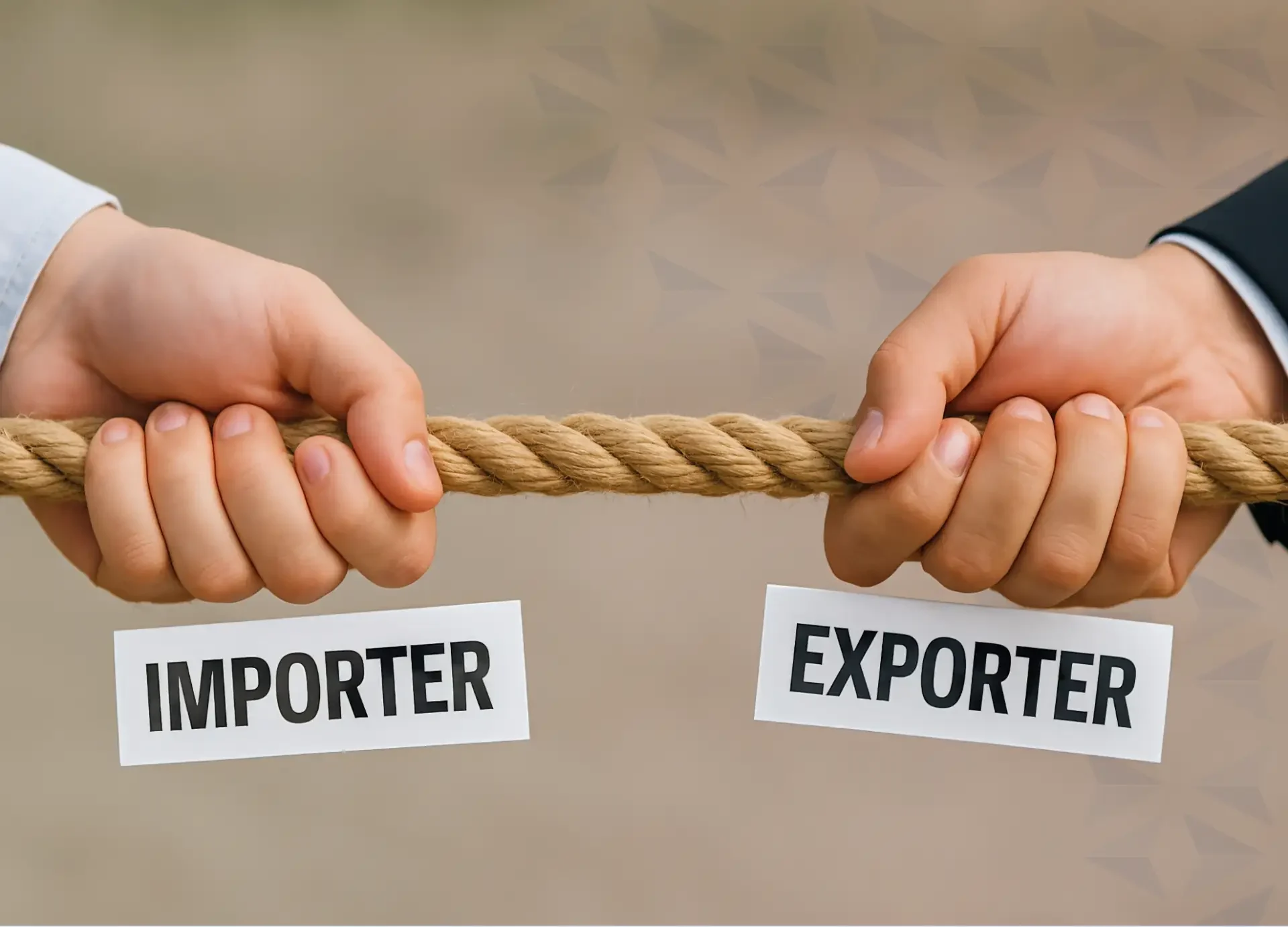
In the world of international logistics, two terms often create confusion for new businesses entering global markets: Import of Record and Export of Record (IOR–EOR) and in some countries are called under one term Exporter-Importer of record (EIOR). At first glance, these may seem similar since both ensure goods move legally across borders into another country. However, their functions are distinct and critical at different points in the supply chain.
Understanding IOR and EOR is essential for companies involved in aviation, automotive, IT, or medical equipment sectors, where compliance is strict and shipments are high value. At GHS Logistics Fulfilment Centre, we help clients navigate these processes, ensuring shipments clear customs smoothly and comply with every regulation.
What Is an Import of Record (IOR)?
The Import of Record (IOR) is the legal entity responsible for making sure all imported goods meet the customs, safety, and regulatory requirements of the destination country.
Key responsibilities of the IOR include:
- Declaring goods to customs authorities.
- Paying import duties, taxes, and tariffs.
- Ensuring imported goods comply with local safety and technical standards.
- Managing customs documentation and approvals.
For industries such as aviation and medical equipment, IOR services are mandatory to guarantee that imports meet safety certifications. Without an IOR, companies risk severe penalties, customs delays, or even seizure of goods at border checkpoints.
💡 Example: Importing high-value aircraft spare parts or specialized surgical equipment into the UAE requires IOR clearance to ensure the goods comply with local aviation and health regulations.
What Is an Export of Record (EOR)?
The Export of Record (EOR) is the entity that ensures all exports leave the origin country in compliance with local and international regulations.
Responsibilities of the EOR include:
- Preparing and submitting export documentation.
- Paying applicable export duties or fees.
- Ensuring exported products comply with origin-country regulations.
- Managing legal accountability for the shipment until it exits the country.
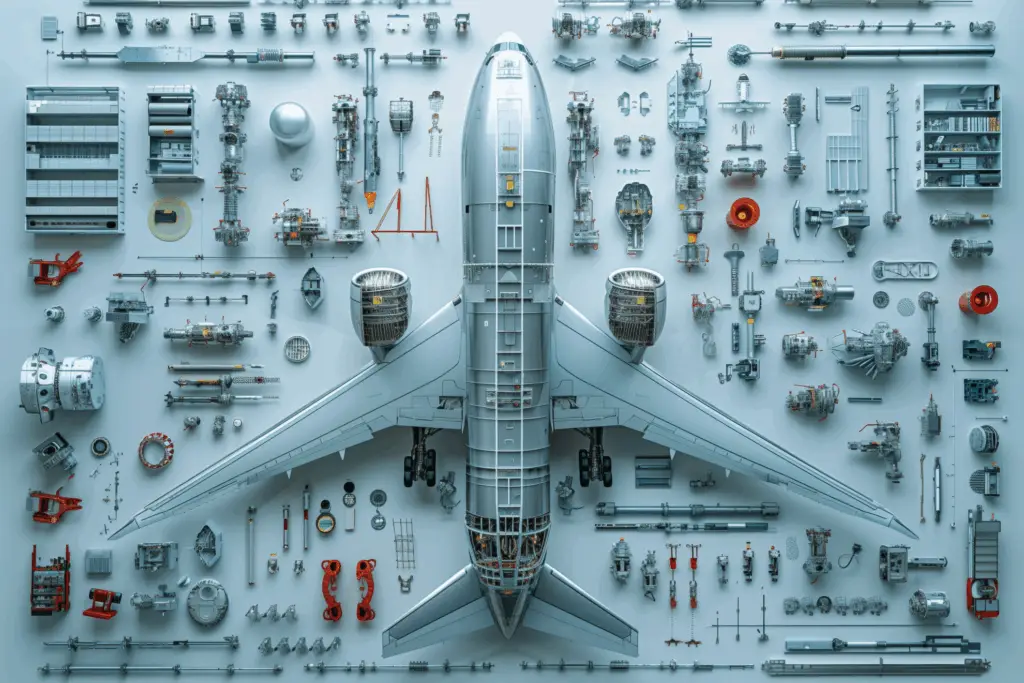
EOR services are crucial for companies exporting sensitive or high-value products such as IT hardware, aircraft components, or medical devices. By acting as the authorized exporter, the EOR ensures shipments are legally processed and delivered without disruption.
💡 Example: When exporting aviation equipment from the UAE to Europe, an EOR guarantees that all export paperwork, compliance checks, and approvals are in place.
Key Differences Between IOR and EOR
Though both services support cross-border trade, their functions differ:
- IOR (Importer of Record): Handles import compliance, ensuring goods legally enter the destination country.
- EOR (Exporter of Record): Manages export compliance, ensuring goods legally leave the origin country.
Together, they cover two sides of global logistics: inbound and outbound. Many businesses in industries like aviation, IT, and healthcare require both services to maintain operational efficiency across multiple geographies.
Benefits of IOR Services
- Compliance Assurance – Ensures goods meet all safety and customs regulations.
- Faster Customs Clearance – Avoids delays, penalties, and shipment seizures.
- Simplified Import Process – Handles duties, documentation, and customs filings on your behalf.
- Risk Mitigation – Reduces the chance of non-compliance fines and legal complications.
For airlines and healthcare providers, IOR is indispensable for managing the import of parts and medical equipment under strict regulatory frameworks.
Benefits of EOR Services
- Legal Export Processing – Guarantees compliance with origin-country export rules.
- Efficient Documentation – Handles export paperwork, licenses, and approvals.
- Reduced Delays – Ensures smooth departure of shipments, avoiding costly hold-ups.
- Secure and Compliant Delivery – Protects against fines and ensures goods arrive at their destination legally.
This is particularly valuable in IT and medical sectors, where sensitive products require detailed export records and regulatory clearance.
Why IOR and EOR Are Essential for Global Business
In today’s interconnected trade landscape, companies expanding into new markets cannot afford customs delays, regulatory fines, or shipment seizures. IOR and EOR services streamline the legal side of cross-border logistics, allowing businesses to:
- Focus on growth and operations.
- Reduce risk exposure.
- Maintain compliance in multiple countries simultaneously.
At GHS Logistics Fulfilment Centre, we provide both IOR and EOR solutions, helping businesses in the UAE, GCC, and worldwide move goods safely, legally, and efficiently.

Conclusion
IOR and EOR may sound like technical jargon, but they are the foundation of smooth international trade. The Importer of Record ensures goods enter a country legally, while the Exporter of Record ensures goods leave a country in compliance with regulations.
For industries like aviation, IT, fashion, glassware and kitchenware, these services are not optional—they are critical for uninterrupted supply chains.
and if you are interested to know about free zone IOR/EOR for temporary import, please contact our sister company GHS Logistics Services FZE